Think Library: Blog


There have been a lot of wars in history, so there are, of course, a lot of war movies. Some say that every war movie is an anti-war movie, while others see them as a celebration of those who serve. Here's a collection of some based, however loosely, on or within real-life events. For online streaming options, check out the selections on Kanopy and Hoopla.
Before she was known for releases like Crenshaw and the Newbery award winning The One and Only Ivan, Katherine Applegate brought the Animorphs saga to the world. The series shows Applegate's impressive skill as a writer, as she weaves an accessible sci-fi story of epic sweep and exciting action sequences with surprisingly sophisticated world-building and affecting character development.
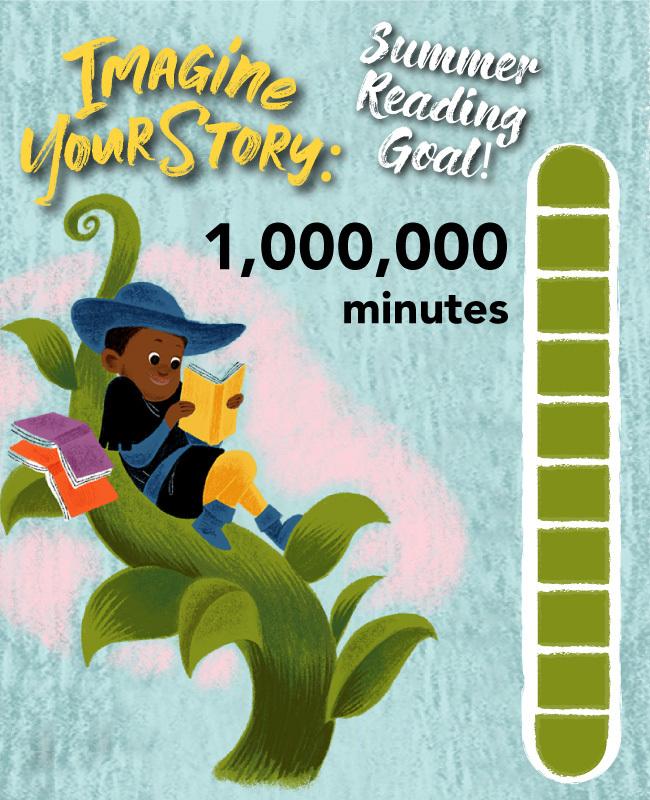
1,102,067! That’s how many minutes you read as part of the Library’s 2020 Summer Reading Games, which went digital this year. 1,574 participants (815 kids, 178 teens, and 581 adults) completed challenges, reviewed books, and logged their minutes read.
The Summer Reading Games couldn’t happen without the support of the Friends of the Monroe County Public Library! Not only did the Friends sponsor the annual summer reading program, they pledged to donate $2,000 to Hoosier Hills Food Bank if the Library’s community-wide reading goal of 200,000 minutes was met.
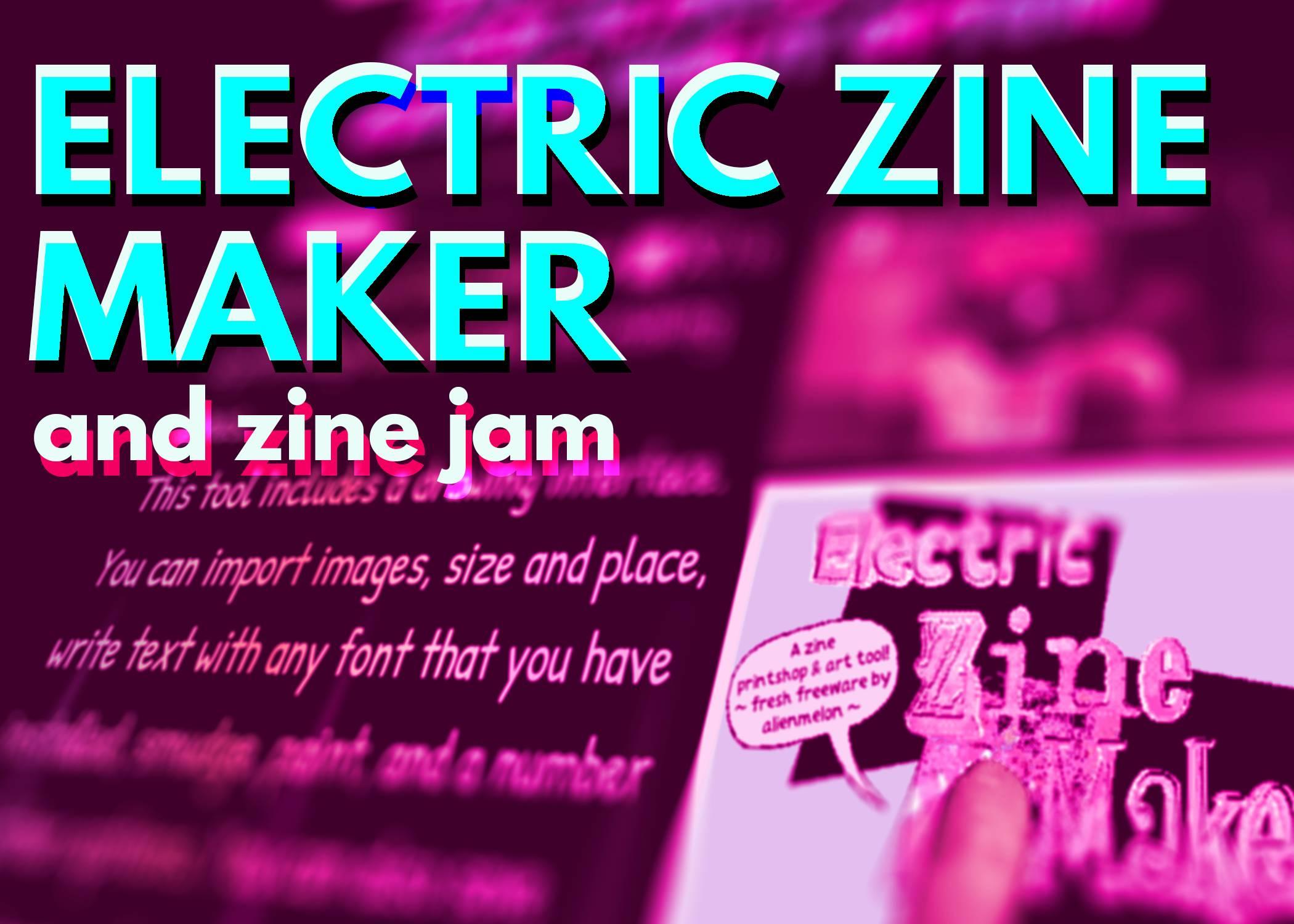
Electric Zine Maker is a super awesome new tool for making zines of all kinds, but especially printable mini-zines! It is one of the most unique looking tools out there, with an interface that proudly screams early 90s internet weirdness and delights in secrets and strange features. It was created by developer Nathalie Lawhead, and to celebrate its launch, she held the Electric Zine Jam on itch.io at the end of June.
Adapting to life during the coronavirus pandemic is a challenge. Almost every aspect of daily life, from shopping at a grocery store to visiting the public library, has changed. Many have lost their jobs or are working reduced hours. Some are experiencing food or housing insecurity for the first time.

Great fiction and nonfiction graphic novels to read and enjoy, for both people new to the genre, and graphic novel lovers looking for their next read. This list contains books with both physical and digital copies.
Did you know we have a collection of comics and graphic novels available online?
Hoopla even has an 'Action View' where you can read panel-by-panel, if you are using a mobile device.
There are too many to recommend, but check out some of these notable series and stand-alones!
Reviewed by Cidne B., Information Assistant
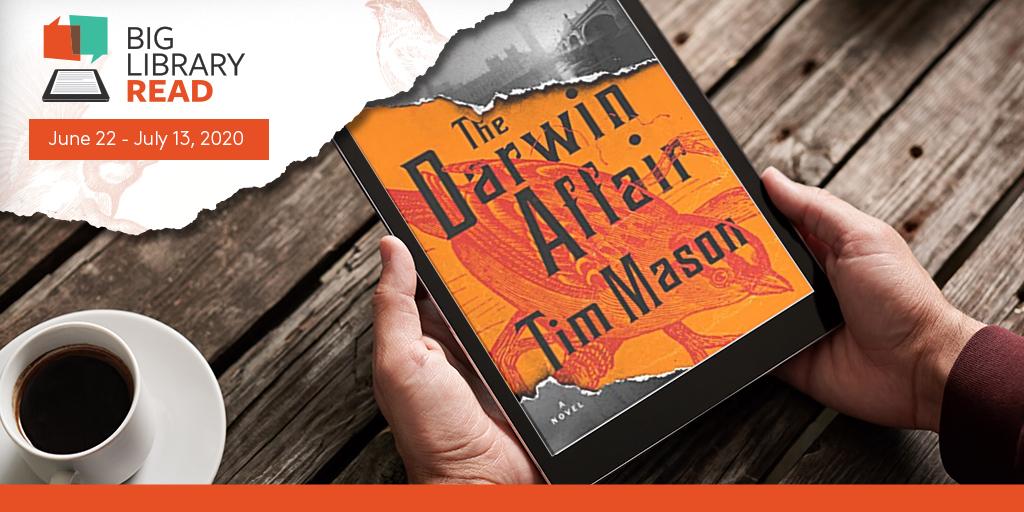
The historical fiction thriller, The Darwin Affair by Tim Mason, is the 22nd selection of Big Library Read. From August 3–17 readers can borrow and read this “intellectually stimulating and viscerally exciting” eBook through OverDrive and the Libby app. Solve the mystery from home with your library card and no waiting, then discuss the book online!
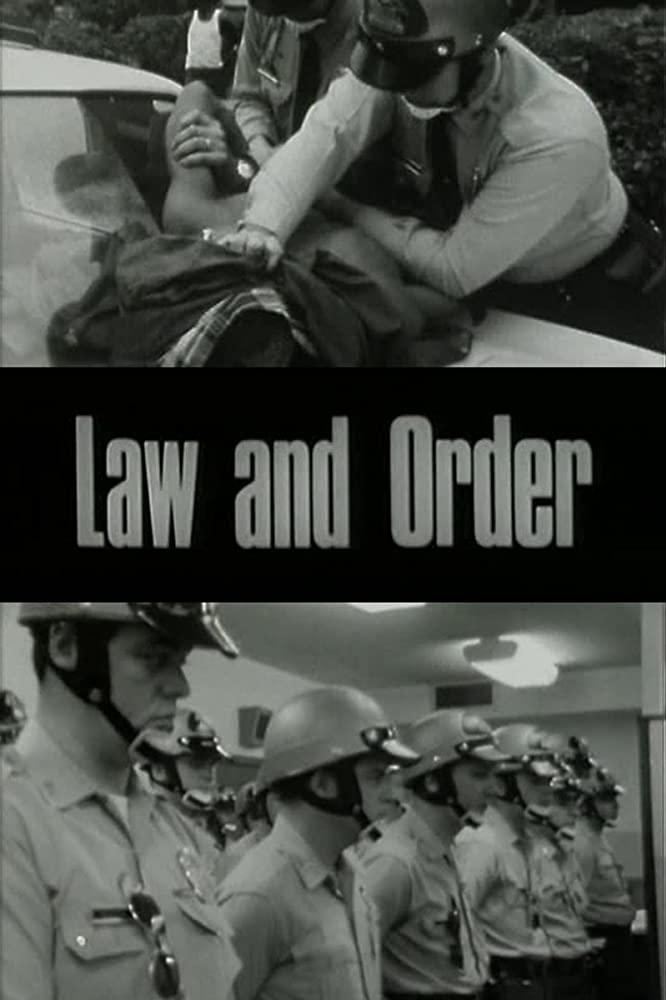
Reviewed by Craig C., Senior Materials Handler
Law and Order, a documentary directed by Frederick Wiseman, is available to stream with Kanopy.
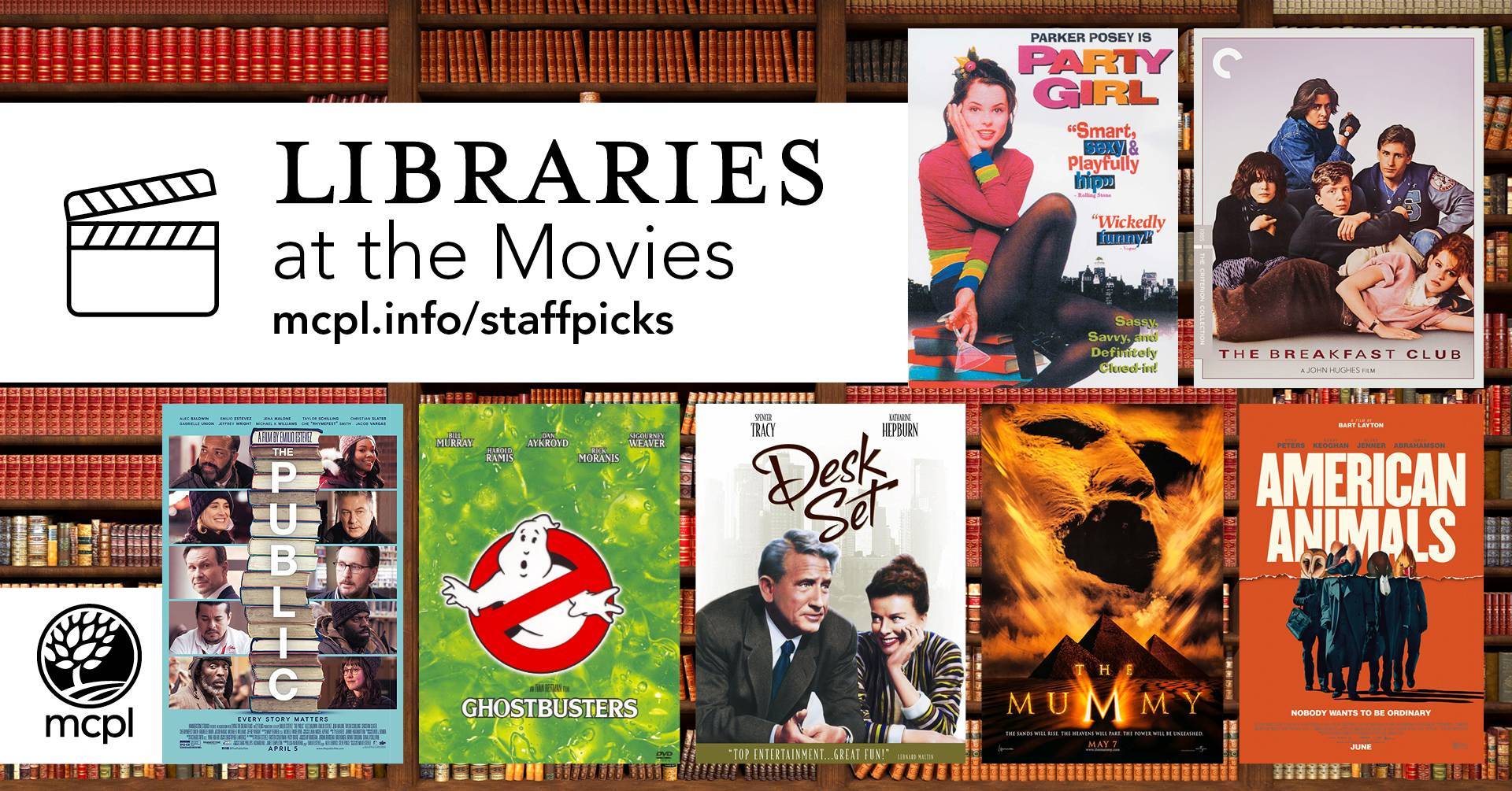
Since libraries should be and are everywhere, it should be no surprise that they are featured in all sorts of movies. This is a list of a few notable movies that feature a library as a setting or library workers doing their jobs (for good or ill) in a way that is important to the story. Thanks to Jennifer Snoek-Brown at Reel Librarians for some of the suggestions here!
In this 60 Second Review, Librarian Kim shares the graphic novel Consent (for Kids!) : Boundaries, Respect, and Being in Charge of You by Rachel Brian. It's also available as an ebook through CloudLibrary! For more video reviews subscribe to our YouTube Channel and check the Finding Value: 60 Second Reviews playlist.
In this 60 Second Review, Librarian Ginny shares the picture book Monkey and Me by Emily Gravett and talks about how it connects with early literacy themes. For more video reviews subscribe to our YouTube Channel and check the Finding Value: 60 Second Reviews playlist.
In this 60 Second Review, Librarian Ginny shares the book Race to the Sun by Rebecca Roanhorse. This inclusive chapter book is also available as an ebook through CloudLibrary and Hoopla! For more video reviews subscribe to our YouTube Channel and check the Finding Value: 60 Second Reviews playlist